

Preventive Maintenance for Commercial Roof Longevity: A Year-Round Guide
Your commercial roof is exposed to constantly shifting weather patterns, UV radiation, and pests. The key to maximizing the lifespan of your commercial roof isn’t waiting for something to go wrong. It’s committing to proactive, routine maintenance. Here’s a comprehensive, year-round guide to preventative care that keeps your roofing system performing at its best.
Spring – The Windiest Season
Spring is the ideal time for the first major inspection of the year. After months of cold weather, your roof may show signs of winter damage. Freeze-thaw cycles can dramatically impact roofing materials; cold temperatures cause sealants to shrink and crack, and expanding ice widens open seams, creating paths for water infiltration. A thorough spring inspection can catch these early indicators of deterioration, helping extend your roof’s useful life.

Be sure to replace any dried-out sealant or caulk around penetrations; the UV intensity of summer will only worsen aging sealants. Spring also brings increased pest activity. Birds, bugs, and rodents are easier to spot in spring, and their presence can harm the roof. Nests can block drainage pathways, acidic droppings can corrode materials and reduce the performance of solar panels, and gnawing or pecking can create punctures. When needed, bring in professional pest control to mitigate these risks.
Additionally, remove any obsolete rooftop equipment. Spring storms bring strong winds that can push it across the field of the roof, causing tears or punctures.
If your facility regularly hires technicians to service rooftop equipment, spring is also a smart time to review safety instructions and damage-prevention guidelines. Posting clear signage at roof access points reminds workers to stay safe and ensures they understand how to report any damage they cause.
Summer – The Hottest Season
Summer heat puts roofing systems under significant stress, making this the best time to focus on protective measures. Start by cleaning solar panels and reflective roof surfaces. Clean panels operate at peak efficiency, preserving energy production. Removing dirt, pollen, and debris also helps reflective roofs perform as intended, reducing energy loads inside your building.
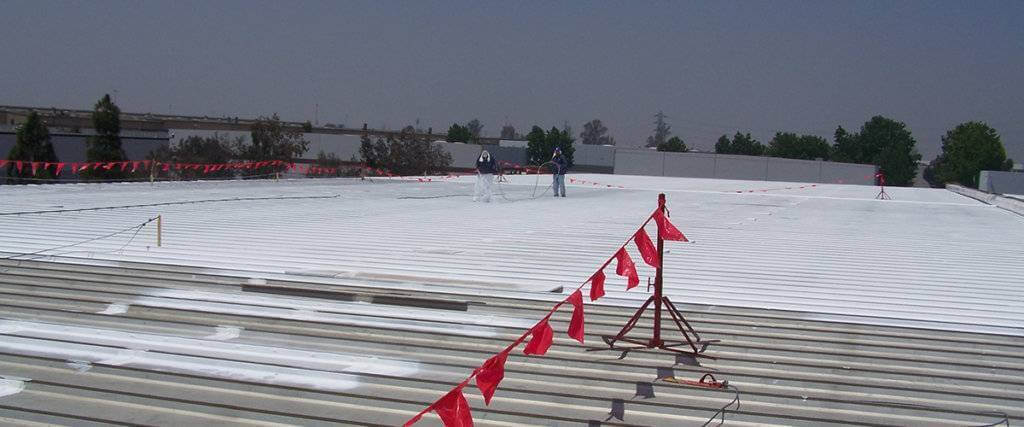
Also consider applying a roof coating during the summer. UV rays, heat, and moisture exposure contribute to membrane degradation over time. A high-quality roof coating adds an extra protective layer, slowing chemical and physical breakdown and extending the life of the existing system.
Fall – The Messiest Season
Fall’s leaves and debris create serious drainage problems, so gutter cleaning is a top priority. When drainage pathways are blocked, water can pond on the roof, deteriorating the roof membrane and increasing the likelihood of leaks. A fall inspection helps prepare your roof for harsh winter conditions by identifying areas that need repair before snow and ice arrive.

If your building frequently experiences ice dams, this is the time to act. Hiring an electrician to install heat tape before winter can significantly reduce ice buildup around roof drains, gutters, eaves, and downspouts. Heat tape activates automatically when temperatures drop, helping keep water flowing and minimizing freeze-related damage.
Winter – The Coldest Season
Winter demands heightened awareness and safety. Snow can conceal rooftop hazards, making it essential to mark obstructions with flags or cones. Without clear markers, workers can trip over equipment or, worse, fall through skylights or off roof edges.

If heavy snow or drifting is a concern, have a snow removal plan in place and rely on a qualified roofing contractor for the work. Improper snow removal can cause more harm than the snowfall itself.
Lastly, remind individuals of the dangers of walking on membrane roofs during winter. Ice makes membranes extremely slippery, increasing the risk of injury and potential roof damage.
A commercial roof’s longevity isn’t determined by a single inspection; it’s the result of consistent care throughout the year. By adopting a seasonal maintenance routine, you can prevent costly repairs, improve safety, and ensure your roof continues to perform reliably season after season.
Need help performing roof inspections? Creating a schedule of roof maintenance activities? Contact D. C. Taylor Co. today at 319.731.4118 or email [email protected].
 Previous